Tech Adoption Lead with Fortune 500 experience, building user-centric solutions.

About Me
I’m Maty, Senior UX & GenAI Strategy Lead with over 25 years in product design. I combine critical thinking, creativity, and technology to make complex problems solvable and innovation practical.
Intro
I’ve driven digital transformation and GenAI adoption in Fortune 500 environments, training over 8,000 employees worldwide and delivering measurable productivity gains.
I’ve led UX delivery for enterprise platforms like Salesforce and SAP, improving product quality and driving adoption across business units and organizations.
I design trainings that build confidence in AI, craft experiences that put people first, and facilitate workshops that align stakeholders around real solutions.
Work
Use cases
-
Outcome
Enabled Viacom’s London broadcast operations team to complete a major editing workflow migration with minimal downtime. Reducing expected disruption by two-thirds and generating over £20,000 in recovered productivity value in the first quarter alone.Role
Adobe-certified instructor and workflow designerChallenge
When Apple’s release of Final Cut Pro X (2011) removed critical professional editing features, Viacom needed to abandon Final Cut Pro 7 and rapidly transition its editors to Adobe Premiere Pro CS6. The team faced steep learning curves and risked losing weeks of output if the transition wasn’t carefully managed.Approach
Trained 12 editors in an intensive one-week program that combined instruction with real project material.
Designed custom Premiere workspaces that mirrored familiar Final Cut layouts while exposing new productivity features.
Built presets, templates, and job aids to streamline ingest, multicam editing, and export workflows.
Highlights
Cut migration downtime from three weeks to one.
Delivered ongoing efficiency gains of ~2 hours per editor per week.
Balanced human-centered training with technical workflow design to ensure rapid adoption.
-
Outcome
Embedded digital editions for Sanoma NL’s core magazine brands so subscribers could access interactive issues via Tijdschrift.nl and the web, while cutting digital conversion overhead by ~60%. Conservatively modeled, workflow efficiencies equate to €300k+ annual production savings across retained titles.Role
UX & Workflow Lead (digital edition design + integration into print workflows)Challenge
Sanoma had sold off or divested many magazine titles (≈19 out of 32 under review in 2014) and needed to focus resources on its “strong titles,” while maintaining competitiveness through digital offerings. Print-to-digital conversion risked adding heavy overhead for editors, slowing down issue cycles, and compromising interactivity; many initial “digital versions” in the industry were just static PDFs, unsatisfying user expectations.Approach
Designed interactive, template-driven workflows (not PDF facsimiles), integrating video, galleries, deep links.
Embedded digital tasks inside existing print workflows with minimal new steps; provided templates, checklists, and QA gates.
Coordinated with editorial teams so digital editions shipped concurrently with print, and were automatically available to subscribers via Tijdschrift.nl (iOS/Android) and web.
Highlights
Scale / reach context: Sanoma NL was the largest magazine publisher in the country with 1M+ subscribers (pre-DPG acquisition), so the digital access path covered a very large base—even if many subscribers continued to read in print.
Usage signal: Tijdschrift.nl Android app shows ~310,000 total downloads to date (3rd-party tracker), indicating meaningful app-level adoption.
Business impact: reduced digital production overhead from “heavy add-on” to ~20% incremental effort, enabling concurrent release and lowering cost.
Positioning: kept Sanoma’s strongest brands (Libelle, Margriet, AutoWeek, Donald Duck, vtwonen, etc.) competitive in a market shifting toward new media revenue.
-
Outcome
Delivered end-to-end UX for the appointment scheduling and post-care tracking used at the 2018 Winter Olympics, a globally visible deployment supporting ~3,000 athletes and ~2,000+ medical staff across the Games’ polyclinics and venue medical services. The platform underpinned electronic medical records (EMR) and real-time analytics initiatives highlighted by the IOC and GE, demonstrating GE’s capability in athlete health data and care coordination at Olympic scale.Role
Lead UX designer for scheduling and post-care flows; UI design for athletes, nurses, and doctors.Challenge
The IOC needed a streamlined, multilingual solution to manage athlete health across village polyclinics, venue stations, and the Olympic hospital. With thousands of athletes cycling through medical encounters during a compressed Games schedule, the system had to reduce friction for clinicians and produce consistent data for the IOC and GE’s analytics layer. Beyond function, this was a showcase project—a high-profile demonstration of GE’s ability to deliver mission-critical healthcare technology at scale.Approach
Designed task-focused scheduling flows that allowed fast intake, slotting, and rescheduling under pressure.
Built post-care tracking features that prompted clinicians to record next steps and return-to-play guidance, reducing drop-offs.
Optimized role-specific interfaces for athletes, nurses, and doctors with shared patterns to minimize training time.
Created a multilingual, EMR-aligned UI that matched IOC data structures and supported real-time analytics.
Highlights
Supported ~3,000 athletes and 2,000+ clinicians across Olympic venues.
Nearly half of all athletes used polyclinic services, underscoring the platform’s critical role.
Delivered a globally visible, time-boxed deployment under intense scrutiny, strengthening GE’s reputation for innovation in healthcare technology.
-
Outcome
Re-imagined the UX for GE’s DALI based industrial lighting-commissioning platform, cutting setup time by up to 90%. Tasks that once took hours per room with manual DALI configuration could be completed in ~30 minutes per zone, shrinking large-site commissioning from weeks or months down to days.Role
Lead UX designer for commissioning workflows and control interfaceChallenge
Traditional DALI systems relied on painstaking, fixture-by-fixture setup (addressing, grouping, testing). This demanded specialist crews and long on-site timelines. GE needed a digital workflow that would dramatically simplify commissioning, reduce labor intensity, and make smart-lighting rollouts scalable across industrial and commercial facilities.Approach
Designed the “tinder for luminaires” workflow: rapid device discovery, visual grouping, and guided configuration for light fixtures.
Built an intuitive touch UI for tablet devices that abstracts protocol complexity into presets and guard-railed steps.
Designed role-specific views for installers and facility managers to minimize training and errors.
Collaborated with engineering to ensure interoperability while hiding overly technical details from the user.
Highlights
Up to 90% faster commissioning: from hours-per-room to minutes-per-zone.
From months to days: accelerated time-to-operation for large office, industrial, and campus deployments.
Installer-centric value: beyond “saving costs,” the speed unlocks capacity. A typical commissioning crew can reclaim hundreds of hours per year, which can be redeployed into more projects, faster turnarounds, or better work-life balance—driving loyalty to the ecosystem that enables it.
Elevated GE’s smart-building portfolio with a flagship, UX-led industrial IoT product that demonstrated measurable operational impact.
-
Outcome
Co-designed the UX and UI for the Lux-O-Meter app, a consumer-facing control and monitoring tool for smart lighting, which went on to win the German Innovation Award (Gold, 2021). The app was praised for its simplicity, clarity, and ability to make advanced lighting technology intuitive for everyday users.Role
UX/UI designer for app workflows and interface designChallenge
Human-centric lighting (HCL) products were technically powerful but often hard to configure and control for non-specialists. The goal was to create a lightweight, accessible mobile experience that showcased the technology’s value without overwhelming users.Approach
Simplified complex lighting parameters (color temperature, intensity, HCL presets) into clear controls.
Designed visual affordances that made energy savings and comfort benefits visible.
Focused on mobile-first interaction patterns, ensuring the app felt natural and effortless.
Collaborated with engineering to keep the interface responsive across diverse lighting hardware.
Highlights
Recognized with the German Innovation Award Gold (2021) — prestigious confirmation of design excellence.
Helped position smart lighting not just as an industrial or enterprise tool but as a user-friendly consumer experience.
Serves as a portfolio piece showing ability to translate advanced tech into elegant, award-winning UX.
-
Outcome
Contributed to the UX design of the Esso UK mobile app, streamlining registration, payment, and Nectar loyalty integration. The app has been downloaded 100,000+ times on Android alone and holds thousands of reviews in the Apple App Store. By simplifying onboarding and enabling automatic loyalty rewards, the app strengthened customer retention in a highly competitive UK retail fuel market.Role
UX lead for onboarding and payment flows (Global Business Center, Budapest)Challenge
At the time, mobile payments at the pump were still relatively new in UK fuel retail. Esso needed to offer customers a reliable, simple alternative to traditional forecourt payment, while ensuring loyalty points could be earned seamlessly through the Nectar program. The original onboarding process was complex and prone to abandonment, limiting adoption.Approach
Audited the registration and payment setup flows to identify drop-off points.
Simplified onboarding by reducing unnecessary steps and clarifying error states.
Collaborated with payment and loyalty teams to ensure smooth Nectar integration, letting users automatically collect points when paying in-app.
Benchmarked flows against UK digital-payment norms to align with user expectations.
Highlights
Public adoption: 100,000+ Android downloads and thousands of iOS ratings (~4.5★).
Loyalty impact: Integration with Nectar, the UK’s largest loyalty program (~18m members), made the app a compelling choice for repeat customers.
Helped position ExxonMobil as a credible player in digital payments and loyalty experiences, beyond traditional fuel retail.
-
Outcome
Designed and tested user interfaces for CarKer (Mobil Contigo), ExxonMobil’s digital marketplace for car services in Mexico. Developed cross-platform experiences (desktop and mobile) for both service providers and car owners, and conducted extensive user testing with both groups in collaboration with EY (Ernst & Young). The project highlighted the adoption barriers in trying to replace entrenched informal tools (phone, WhatsApp, Facebook), offering lessons that shaped later ExxonMobil digital efforts.Role
UX/UI designer for mechanic and customer interfaces; lead researcher; user testing with EYChallenge
Mexico’s auto-service market is fragmented, dominated by small workshops and informal booking channels. CarKer aimed to formalize this space by connecting drivers with vetted workshops under the Mobil brand. The challenge: designing a trustworthy, efficient, and scalable UX for both digitally inexperienced mechanics and increasingly mobile-first customers.Approach
Designed desktop dashboards for mechanics to manage bookings, diagnostics, and customer feedback.
Created mobile flows for car owners to request service, book appointments, and track job progress.
Ran structured usability testing with both mechanics and car owners, co-facilitated with EY, capturing pain points across literacy levels and tech skills.
Iterated on booking, diagnostics, and follow-up flows, recommending simplifications to reduce mechanic data-entry burdens and align with customer expectations.
Highlights
Collaborated with EY, giving the project credibility as part of a high-stakes corporate venture.
Designed and tested cross-platform UIs in an industry with limited digital literacy, a rare challenge in global UX.
Identified adoption risks that later explained why CarKer struggled in the market — lessons valuable for future marketplace design.
Demonstrates ability to deliver enterprise-grade UX even when the product outcome is uncertain.
-
Outcome
Delivered UX and workflow design for ExxonMobil’s Salesforce custom module rollout, enabling sales staff to manage customer portfolios more effectively, apply customer service-level tiers, and configure value-added services. These tools streamlined coordination across sales, engineering, supply chain, and product teams, reducing complexity and improving sales productivity.Role
UX lead, collaborating with Architects, Salesforce developers and Deloitte ConsultantsChallenge
ExxonMobil’s commercial sales teams managed complex portfolios with multiple service entitlements, but existing tools made it difficult to apply the corporate tiering model consistently. Sales reps struggled to package additional services without triggering backend errors or lengthy coordination.Approach
Translated management’s service-level framework into practical Salesforce workflows for day-to-day use.
Designed user flows for adding and managing value-added services within proposals.
Simplified interfaces to reduce sales rep error rates and minimize the need for manual follow-up.
Partnered with Salesforce and Deloitte developers to align UX designs with backend and compliance requirements.
Highlights
Improved portfolio prioritization: The new Salesforce workflows allowed account managers to focus attention on the most promising opportunities, rather than spreading effort evenly across all accounts.
Cross-functional alignment: Enabled smoother coordination between sales, field engineering, supply chain, and product groups.
Enterprise credibility: Delivered as part of ExxonMobil’s sales and marketing transformation initiative, with Deloitte and Salesforce collaboration ensuring best-practice alignment.
-
Outcome
Helped scale and coordinate ExxonMobil’s global Design Community, supporting local chapters across multiple locations to grow in size, visibility, and self-sufficiency. Under my leadership, the community became more strategically aligned with the company’s new corporate operating model and more embedded in product and business decision-making.Role
Design Community Lead — coordination, visibility, and leadership enablementChallenge
ExxonMobil’s design talent was distributed across global hubs, but community activity was fragmented and under-recognized. Design’s role in decision-making was often secondary, limiting its ability to shape product outcomes and strategic initiatives.Approach
Supported and mentored local community leads, helping them expand membership, run events, and grow visibility.
Introduced coordination mechanisms across hubs, making the global community more cohesive.
Advocated for design maturity as a business capability, not just a creative function, framing impact in terms of reduced rework, faster adoption, and stronger customer outcomes.
Fostered leadership engagement, aligning the community with ExxonMobil’s new corporate operating model to ensure long-term sustainability.
Highlights
Community grew in size and became self-sufficient, with regular events, mentorship programs, and design talks.
Improved visibility of design in corporate decision-making and product delivery.
Supported cultural change: design shifted from “execution partner” to strategic contributor.
Impact sustained beyond individual leadership, as the community continued to thrive independently.
-
Outcome
Designed and delivered a global generative AI training program, reaching over 2,000 employees across functions. Training programs drove measurable productivity gains (~45 minutes per person per day) and identified dozens of enterprise use cases, laying the foundation for scaled GenAI integration.Role
GenAI strategy and enablement leadChallenge
Generative AI tools like Microsoft Copilot were new to many employees, and adoption required not just technical training but also cultural change. ExxonMobil needed a structured enablement program that would both build basic skills and generate momentum for enterprise-scale rollout.Approach
Developed hands-on Copilot training programs, both virtual and in-person.
Piloted with diverse groups (procurement, legal, IT, finance, customer services, etc.), testing applicability across functions.
Designed a train-the-trainer framework to scale adoption.
Captured and documented enterprise use cases, feeding into ERP and digital transformation programs.
Highlights
Reached 1,800+ employees globally through virtual training and 200+ employees through face to face hands-on training sessions
Pilots showed ~80% usage increase and ~45 minutes/day average productivity gain among trained employees.
Identified 12+ concrete enterprise use cases spanning repetitive task automation, ERP data extraction, and QA.
Reduced reliance on expensive external training providers, saving an estimated $70k–130k in program costs.
-
Outcome
Currently leading the design and rollout of an enterprise-grade conversational AI solution built on Azure OpenAI Services. The tool improves knowledge access, supports decision-making, and integrates into daily workflows with a focus on security, scalability, and productivity impact.Role
GenAI strategy and product design leadChallenge
Large organizations generate huge volumes of knowledge — policies, procedures, reports, technical standards — but employees struggle to find and apply the right information quickly. Traditional search and knowledge-management tools are slow, siloed, and frustrating. A conversational AI solution could change this, but only if it met strict enterprise requirements for data security, governance, and change management.Approach
Designed and validated user journeys for employees interacting with the assistant, from quick Q&A to complex workflow support.
Collaborated with engineering teams to integrate Azure OpenAI Services within corporate infrastructure, ensuring compliance with enterprise IT and data-security standards.
Established guardrails for responsible AI use, including transparency, accuracy monitoring, and fallback mechanisms.
Built feedback loops for continuous learning, aligning the assistant with evolving business needs.
Highlights
Delivered a secure conversational AI assistant capable of handling enterprise knowledge in natural language.
Positioned the solution as a flagship example of how GenAI can support day-to-day productivity in a Fortune 10 environment.
Complemented enterprise AI training programs by giving employees a hands-on tool to apply newly learned GenAI skills.
Created a foundation for scaling conversational AI across multiple business functions.
Product Design
Polyclinic Platform for the Olympics
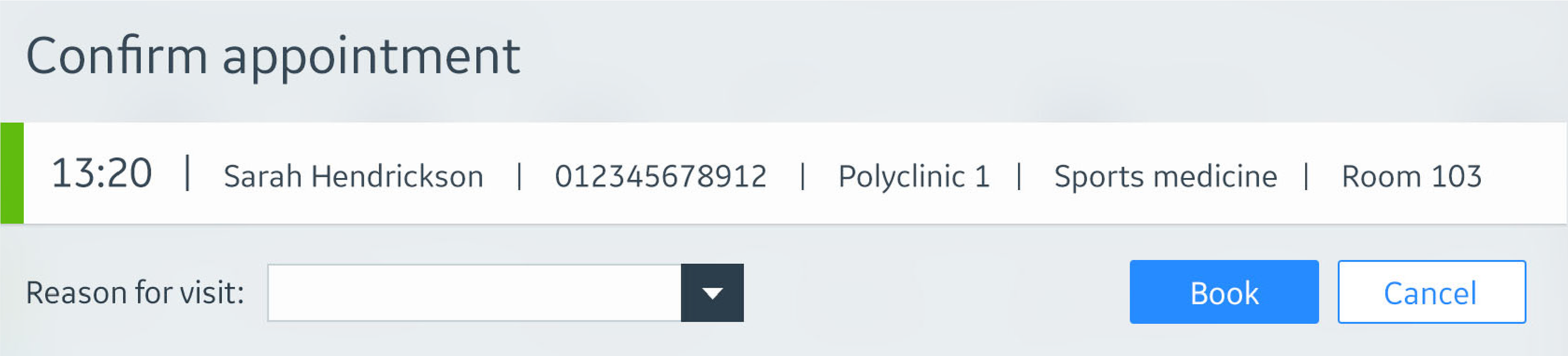
Multi language interfaces for both athletes, registration desk, and medical staff to enable seamless scheduling of different treatments, checkin, and after care tracking


Light Commissioning Made Easy

Re-invented industrial scale light commissioning flow for fast and accurate identification and setup of light fixtures, and their control devices


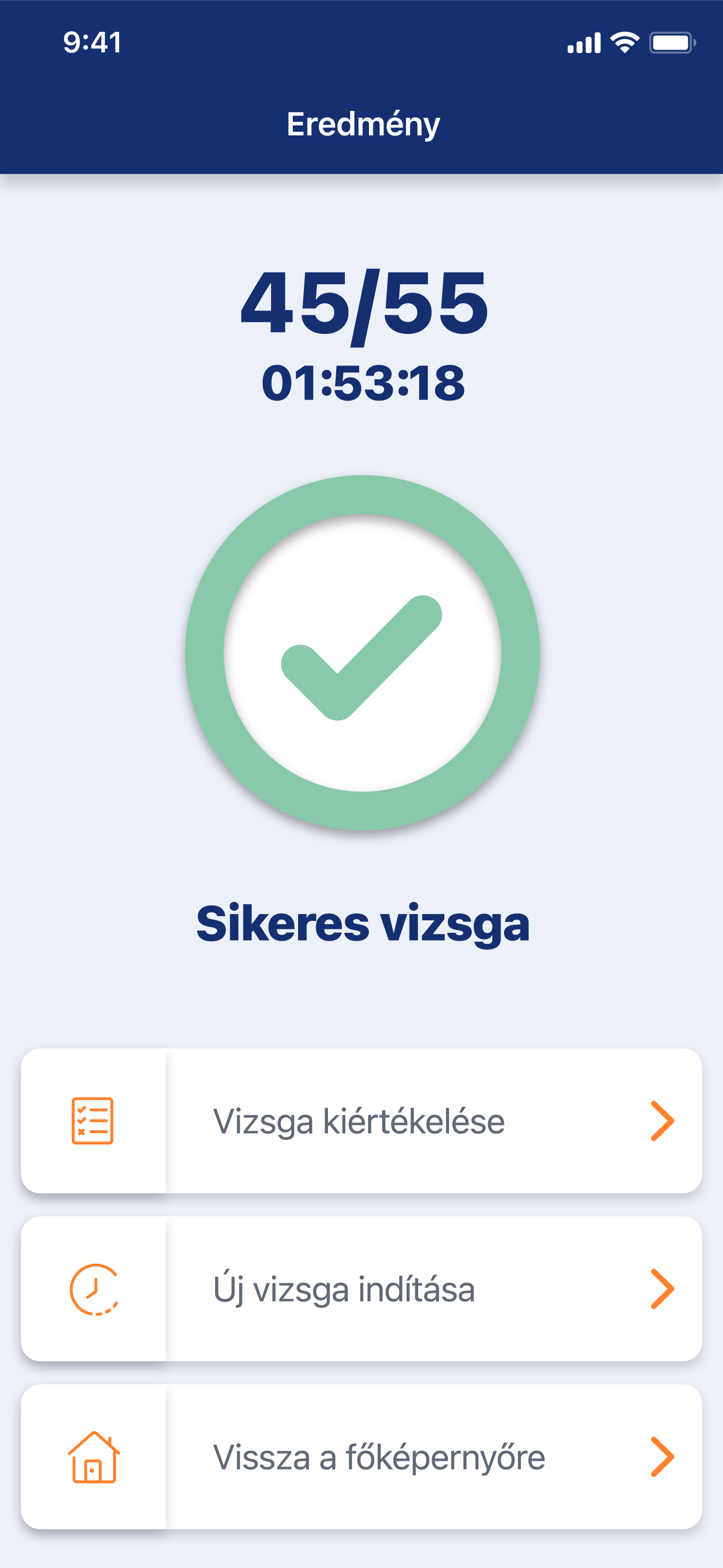
Pass your driver’s test
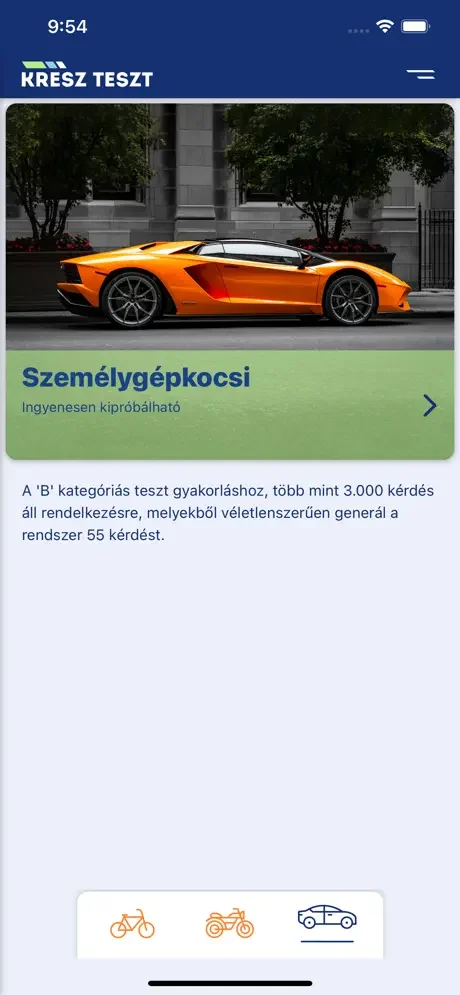
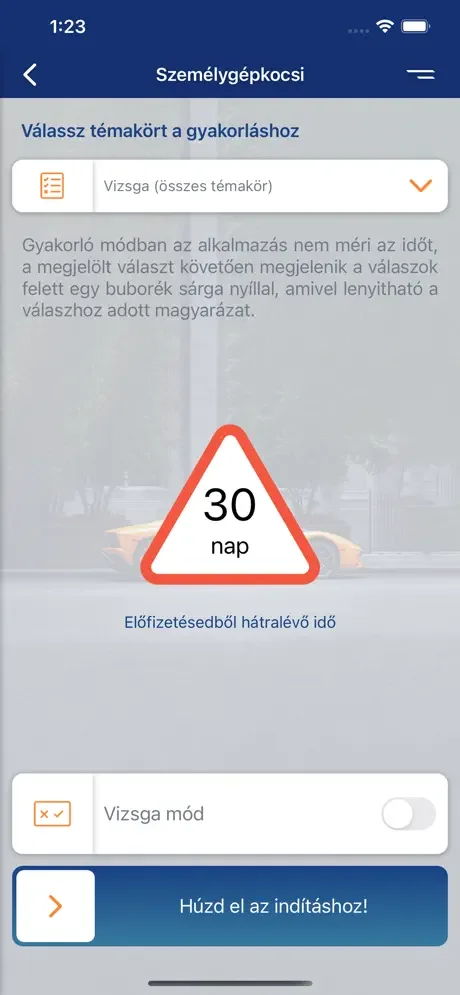
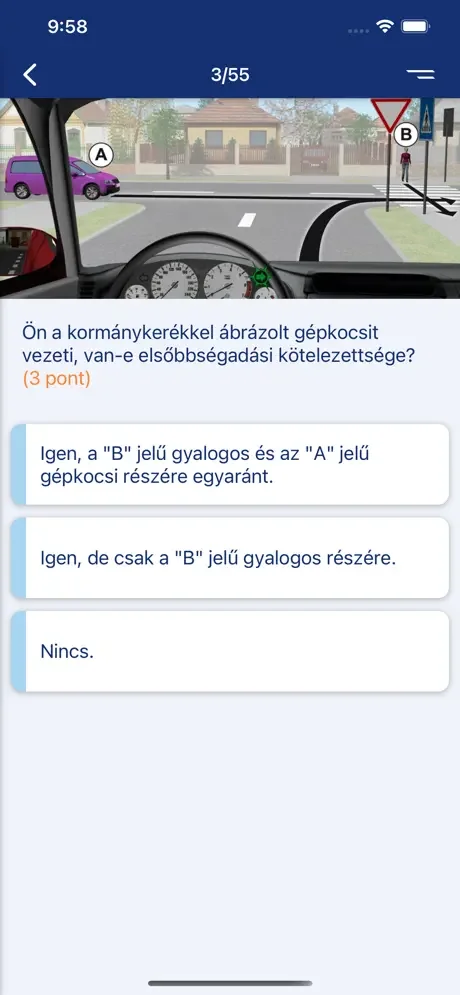
Learn the rules of the road and pass your exam with the help of the mobile application that contains the most comprehensive test simulation. Available for iOS and Android standing at 4 star rating with over 100K downloads and 2K reviews

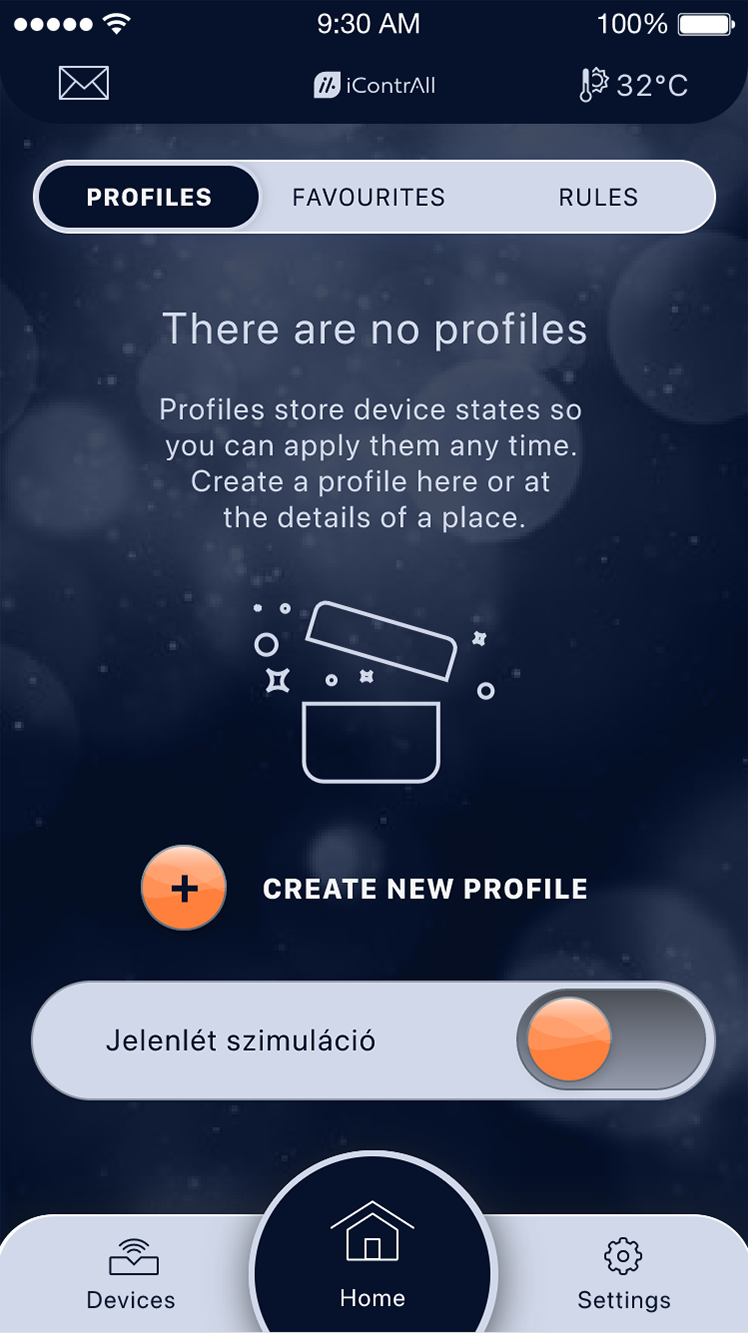
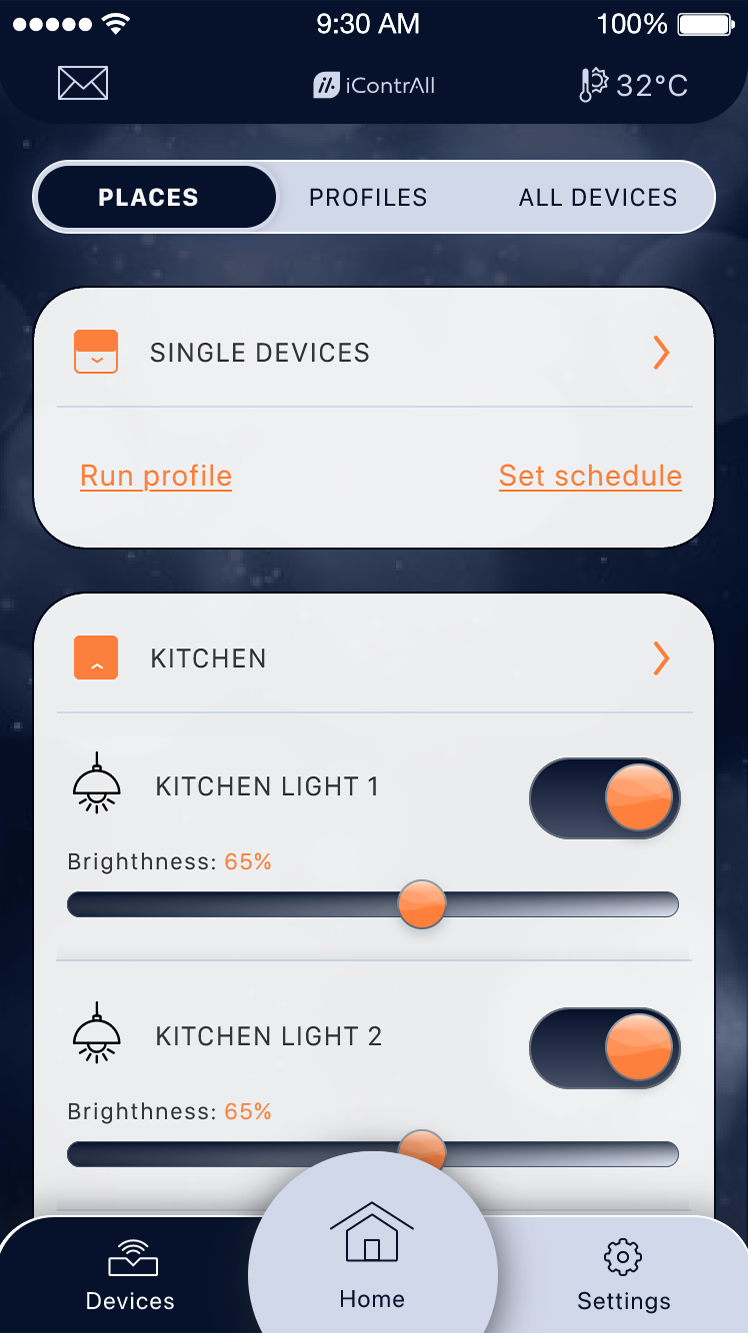
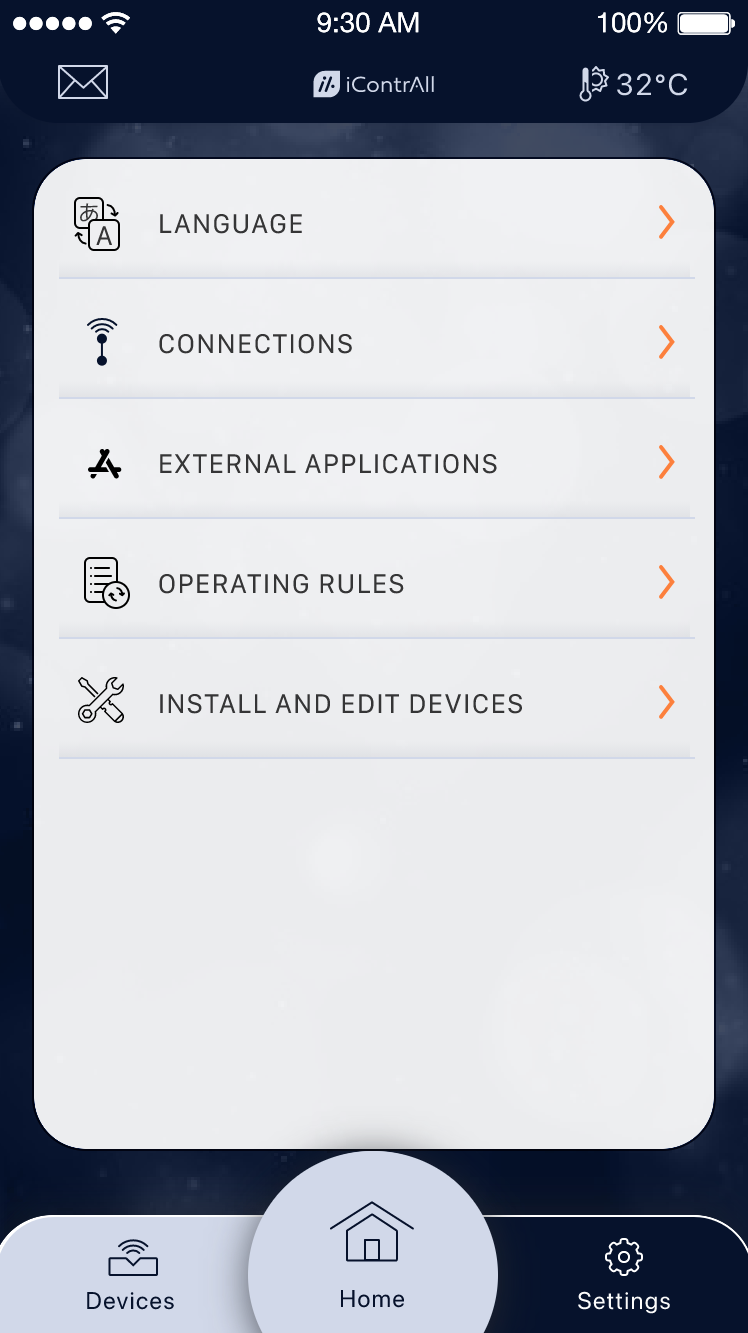
Intuitive Smart Home Controls
Multi-language home-automation suite that lets users manage lighting, heating/cooling, shades, gates/barriers, garden & pool systems, security, and more

My Process
For new
products
Product Discovery Workshop
Activities: Co-creation sessions with stakeholders (Product Owners, Architects, Developers, involving if possible, representatives of end user groups) to define problem space, explore user needs, map business goals, and align on success metrics.
Outcomes: Shared understanding of the opportunity, prioritized features, and a decision-making framework that prevents scope creep later.Prototype
Activities: Rapid sketching, wireframing, and building interactive prototypes using tools like Figma or InVision.
Outcomes: Tangible representation of the idea, enabling early feedback and reducing ambiguity between stakeholders, designers, and developers.User Testing
Activities: Running moderated or unmoderated usability tests, A/B testing, or concept validation sessions with target users.
Outcomes: Evidence of what resonates, what fails, and actionable insights to refine design and avoid costly mistakes in production.Stakeholder Alignment
Activities: Regular check-ins, demo sessions, and prioritization workshops with decision-makers.
Outcomes: Buy-in across business units, reduced resistance during rollout, and alignment between user value and organizational goals.Proof of Concept
Activities: Lightweight technical experiments, MVP builds, or integration pilots to test feasibility with real systems.
Outcomes: Validation of technical assumptions, clarity on investment required, and data to support go/no-go decisions.Rollout Strategy
Activities: Creating a phased adoption plan, communication strategy, and change-management support.
Outcomes: Smooth adoption, minimized disruption to business operations, and measurable KPIs for success tracking.Implementation Support
Activities: Supporting dev teams with design specifications, QA for usability, and governance to ensure design intent is maintained.
Outcomes: Higher quality of final product, consistency across touchpoints, and faster time-to-market through reduced rework.
For existing products
Stakeholder Mapping
Activities: Identifying key decision-makers, influencers, and affected user groups; mapping their goals, needs, and power dynamics.
Outcomes: Clear picture of whose voice matters, early coalition-building, and reduced political friction during improvements.UX Audit
Activities: Heuristic evaluations, accessibility checks, performance analysis, competitive benchmarking.
Outcomes: Evidence-based snapshot of current product health, highlighting usability issues and areas of competitive weakness.User Interviews
Activities: Structured interviews, contextual inquiries, or diary studies with real users.
Outcomes: Direct insight into how people use the product, unmet needs, and emotional triggers that data alone doesn’t reveal.Painpoint Mapping
Activities: Journey mapping, service blueprinting, and synthesis of user feedback into pain/impact matrices.
Outcomes: Prioritized list of friction points, connected to business KPIs (e.g., drop-offs, churn, support tickets).Feasibility Alignment
Activities: Working with engineering and business to evaluate technical constraints, costs, and operational impacts.
Outcomes: A realistic shortlist of fixes or improvements that balance desirability, feasibility, and viability.Rollout Strategy
Activities: Planning incremental releases, user communication, and success measurement frameworks.
Outcomes: Reduced change resistance, smoother adoption, and early visibility into ROI.Implementation Support
Activities: Ensuring designs translate into code, monitoring post-release usage, and iterating based on real-world performance.
Outcomes: Higher adoption rates, reduced support burden, and long-term product sustainability.